

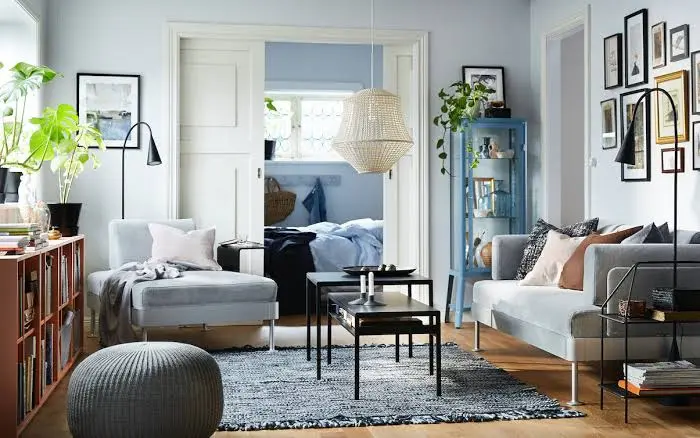
Home additions and structural remodeling projects involve high contractor expenses, disruptive dust, and lengthy permit applications. Moving walls or finishing basements requires significant investment that many homeowners prefer to avoid. Fortunately, expanding usable living space does not require knocking down drywall or pouring concrete foundations. Investing in multifunctional furniture lets you double the utility of existing rooms, transforming single-purpose spaces into versatile environments that easily adapt to work, entertaining, and rest.
The Evolution of Dual-Purpose Design
Transformable furniture has evolved far beyond the clunky, uncomfortable sleeper sofas of past decades. Today’s dynamic designs feature precision engineering, durable materials, and intuitive daily operation.
From Temporary Fixes to Architectural Features
Historical convertible pieces often felt like awkward compromises. Early sofa beds featured thin mattresses and noisy metal springs that poked through fabric, while folding cots felt unstable. Modern multifunctional furnishings are built with fine hardwoods, high-density foam, integrated electrical conduits, and balanced gas pistons. These pieces serve as primary architectural focal points that enhance a room rather than acting as mere emergency backups.
The Psychology of Fluid Environments
Living in a flexible space encourages intentional daily habits. When transforming a room takes only thirty seconds, switching from work mode to leisure mode becomes a rewarding ritual. Packing away work tools at five o’clock and folding down a dining surface helps mark the end of the workday, creating healthy mental boundaries in compact apartments.
Central Room Transformations: Day to Night Living
The greatest spatial returns come from transforming large rooms that typically remain unused for half the day.
Blending Dining and Work Hubs
A dedicated dining room often sits empty between breakfast and evening meals, while home offices remain unused during weekend dinners. Modern transformable tables solve this scheduling conflict effortlessly. Pneumatic lift tables can sit low as a central living room coffee table during casual movie nights. With the pull of a discreet lever, the surface rises smoothly to standard dining height, extending outward on hidden slide rails to accommodate dinner plates for eight people.
Sleep and Dining Integration
In studio apartments, combining culinary preparation, dining, and sleeping creates the ultimate functional layout. Selecting an integrated wall bed with table allows an open living room to function as a comfortable dining room or conference workspace by afternoon, then smoothly convert into a private master bedroom by night without moving the table base. Innovative balance linkages keep the table surface completely horizontal as the mattress lowers, meaning you do not even need to remove small items or papers before lowering the bed.
Modular Sectional Systems with Built-In Desking
Living room sofas can do far more than offer soft seating. Contemporary modular sectionals now incorporate hardwood shelving along the rear backrests. This built-in ledge acts as a standing laptop desk or breakfast bar, providing useful surfaces without stealing additional floor space behind the couch.
Smart Children’s Rooms and Teen Suites
Children’s bedrooms quickly become overcrowded with study desks, clothing wardrobes, toy chests, and bunk beds. Multifunctional furniture helps keep these spaces tidy and organized.
Loft Systems with Lower Study Modules
Elevating a single bed onto an upper loft platform frees up roughly thirty square feet of prime real estate below. Instead of squeezing a freestanding desk into an awkward closet corner, install a custom study suite beneath the loft beam. Built-in LED task lighting, magnetic whiteboards, and deep supply drawers create a quiet homework station that keeps school supplies separated from play areas.
Trundle Daybeds with Built-In Storage Drawers
For guest rooms and shared youth bedrooms, daybeds with integrated lower trundles offer flexible sleeping arrangements. Deep drawers built into the base frame house sports equipment and winter apparel, while the pull-out trundle rolls forward smoothly on soft rubber wheels whenever friends stay overnight.
Kitchen and Entertaining Innovations
Culinary spaces in compact homes often lack sufficient counter space for comfortable meal preparation and social gatherings.
Pull-Out Countertop Extensions
Cabinet hardware innovations make it easy to conceal useful food prep space behind false drawer faces. Pulling a drawer handle draws forward a heavy-duty, interlocking butcher block platform that locks into place at standard counter height. This hidden extension provides two to three extra feet of chopping space right next to the range, sliding away flush with surrounding cabinets when dinner is served.
Mobile Island Consoles
A stationary kitchen island permanently blocks circulation paths in narrow galley kitchens. A mobile butcher-block cart equipped with locking industrial casters delivers identical utility while preserving flexibility. Roll the island into the center of the kitchen during complex baking sessions, then move it against an open wall to serve as a self-serve bar when hosting social gatherings.
Practical Steps for Sourcing Transformable Furnishings
Purchasing dynamic furniture requires careful evaluation of internal hardware, weight ratings, and operational clearances.
Checking Mechanical Hardware Quality
Always inspect the pivot joints, tracks, and lift assist systems of any transformable piece before buying. High-grade hardware features powder-coated cold-rolled steel, sealed ball bearings, and pneumatic gas pistons rated for thousands of daily open-and-close cycles. Avoid cheap friction hinges or lightweight plastic gears, which wear down quickly and cause panels to bind.
Measuring Open and Closed Clearances
Carefully measure both the closed footprint and the fully extended dimensions of any transformable furniture piece. Mark these dimensions on your floor using blue painter’s tape to confirm that doors, closet fronts, and drawers open fully without hitting surrounding walls. Planning clear circulation routes ensures your home remains comfortable and easy to navigate in every configuration.
Also Read-Streamlined Operations: Optimizing Chemical Production Workflows

