

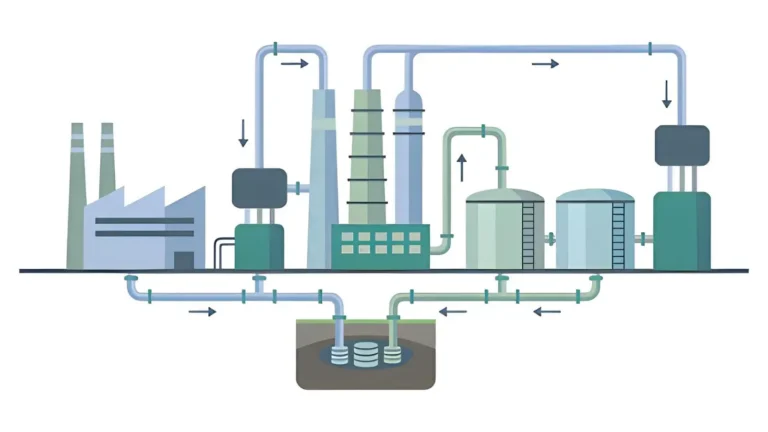
The modern chemical manufacturing industry operates in a complex environment defined by fluctuating raw material prices, rigorous safety regulations, demanding environmental standards, and intense global competition. To maintain profitability and operational resilience, chemical producers must continuously analyze and refine their manufacturing workflows. Optimizing plant operations requires a holistic approach that integrates advanced digital automation, predictive maintenance strategies, efficient material handling, energy conservation, and robust workforce management. Streamlining these core operational areas unlocks significant capacity, reduces waste, and elevates overall production efficiency.
Integrate Advanced Process Automation and Digital Control Systems
Modern chemical synthesis involves precise stoichiometry, delicate thermodynamic balances, and complex reaction kinetics that require continuous, real-time control. Relying on manual operator adjustments introduces human error, operational lag, and batch-to-batch variability that limits daily throughput.
Upgrading plant infrastructure to automated Distributed Control Systems and Programmable Logic Controllers transforms processing efficiency. Automated networks regulate temperature profiles, pressure levels, agitator speeds, and fluid dosing with microsecond accuracy. Integrating inline analytical sensors provides continuous feedback during reaction cycles, allowing automated systems to adjust parameters instantly to maintain optimal reaction kinetic curves.
Furthermore, deploying advanced process control software leverages mathematical modeling to predict process behavior and optimize multivariable reaction loops dynamically. Automation eliminates human error, accelerates batch turnaround times, and ensures consistent high-purity chemical output across every shift.
Deploying Real-Time Inline Analytical Sensors
Installing inline spectroscopy probes and pH sensors tracks reaction progress continuously without requiring manual sampling interruptions.
Automated real-time monitoring determines exact reaction completion points accurately, preventing over-processing and reducing batch cycle times significantly. Inline sensing optimizes production speed.
Implementing Advanced Process Control Multivariable Loops
Advanced process control algorithms adjust multiple control valves simultaneously to keep complex exothermic reactions running at peak efficiency safely.
Predictive algorithms prevent thermal spiking and pressure surges, stabilizing processing operations and maximizing first-pass chemical yield. Smart process control enhances operational capacity.
Implement Predictive Maintenance and Asset Performance Management
Unplanned machinery breakdowns represent a major operational bottleneck in chemical facilities, causing costly downtime, ruined batch inventory, and severe safety hazards. Traditional reactive maintenance or fixed calendar schedules often lead to unexpected equipment failure or premature, unnecessary servicing.
Transitioning to a predictive maintenance strategy powered by Industrial Internet of Things sensors allows plant engineers to monitor equipment health in real time. Vibration sensors, acoustic monitors, thermal imaging cameras, and oil analysis probes detect subtle signs of bearing wear, pump cavitation, seal degradation, or heat exchanger fouling long before physical failure occurs.
Additionally, leveraging specialized turnkey solutions for chemical industry applications can help facilities integrate modern modular skid systems and automated monitoring hardware seamlessly. Addressing mechanical wear proactively during scheduled maintenance windows prevents catastrophic breakdowns, extends capital equipment lifespan, and maintains continuous, uninterrupted manufacturing workflows.
Utilizing Industrial Internet of Things Vibration and Thermal Sensors
Attaching wireless vibration sensors to critical pumps and compressors detects mechanical misalignment and bearing wear early.
Real-time sensor telemetry alerts maintenance teams to abnormal equipment behavior, allowing targeted repairs before unexpected line halts occur. Condition monitoring eliminates surprise breakdowns.
Scheduling Maintenance via Asset Performance Management Software
Centralizing machine diagnostic data inside asset management platforms helps engineers schedule maintenance during planned turnarounds efficiently.
Predictive scheduling ensures replacement parts and technicians are ready before work begins, minimizing maintenance window durations. Asset management maximizes machinery uptime.
Optimize Raw Material Logistics and Inventory Management
Efficient chemical manufacturing depends heavily on a continuous, uninterrupted flow of raw materials, catalysts, solvents, and packaging supplies. Bottlenecks in material intake, manual batch charging, or inefficient chemical storage cause costly reactor idle time and disrupt downstream processing schedules.
Streamlining raw material workflows begins with automating bulk liquid pumping and dry solid conveying systems directly to reactor charging ports. Automating material transport eliminates manual handling hazards, reduces worker exposure to hazardous substances, and drastically speeds up reactor loading cycles.
Furthermore, integrating enterprise resource planning software with automated tank level sensors provides real-time visibility into raw material inventories. Automated inventory tracking triggers reorders automatically, preventing raw material stockouts while optimizing warehouse storage capacity and working capital utilization.
Automating Bulk Liquid and Powder Reactor Charging
Utilizing automated mass flow meters and pneumatic conveying systems delivers exact raw material quantities directly into reactors quickly.
Automated dosing speeds up batch setup times, eliminates manual weighing errors, and protects workers from hazardous chemical exposure. Automated charging drives workflow velocity.
Deploying Real-Time Chemical Tank Level Telemetry
Installing continuous radar level transmitters on raw material storage tanks provides accurate inventory data across facility networks automatically.
Automated level monitoring prevents sudden material shortages, streamlining supply chain logistics and production scheduling. Inventory automation secures operational continuity.
Enhance Energy Efficiency and Utility Usage Optimization
Chemical manufacturing is inherently energy-intensive, requiring massive thermal energy for distillation, heating, cooling, evaporation, and drying operations. Inefficient utility usage inflates operating expenses and increases the environmental carbon footprint of production facilities.
Optimizing energy workflows involves conducting plant-wide pinch analysis to identify waste heat recovery opportunities. Installing heat exchangers to capture waste thermal energy from hot effluent streams and redirect it to preheat cold incoming feedstocks reduces boiler fuel consumption significantly.
Additionally, equipping heavy industrial pumps, fans, and compressors with Variable Frequency Drives optimizes electrical power consumption based on real-time processing demand rather than running at full power constantly. Energy recovery systems lower utility expenses, support corporate sustainability targets, and optimize total production economics.
Conducting Heat Exchanger Network Pinch Analysis
Mapping thermal energy flows across distillation and reaction loops reveals high-value opportunities for waste heat integration.
Capturing waste heat to preheat raw material streams lowers boiler fuel demands and reduces cooling tower loads simultaneously. Thermal integration optimizes energy efficiency.
Installing Variable Frequency Drives on Heavy Utility Pumps
Retrofitting industrial water pumps and air blowers with variable speed drives matches motor speeds to actual process demands dynamically.
Modulating electrical motor power prevents energy waste during low-throughput operating cycles, lowering facility electricity bills noticeably. Drive automation optimizes power utilization.
Streamline Batch Changeover and Equipment Sanitation Protocols
For specialty chemical producers operating multi-product batch facilities, equipment changeover and cleaning protocols represent a significant portion of total production downtime. Inefficient manual washdowns delay product transitions, consume massive volumes of cleaning solvents, and create hazardous wastewater streams.
Implementing automated Clean-In-Place systems streamlines equipment sanitation workflows. Automated CIP systems circulate cleaning solvents, detergents, and rinse water through spray nozzles engineered to reach every internal surface of reactors, mixing tanks, and transfer piping without requiring manual vessel entry.
Furthermore, establishing standardized changeover procedures using lean manufacturing principles—such as Single-Minute Exchange of Die methodologies—minimizes changeover times. Streamlining sanitation protocols increases total equipment availability, allowing facilities to produce more product batches per week safely.
Installing Automated Clean-In-Place Spray Systems
Positioning high-impact rotary spray nozzles inside reactors ensures thorough physical cleaning of interior walls automatically.
Automated CIP cycles shorten vessel cleaning times dramatically while reducing cleaning solvent volumes and hazardous wastewater generation. Automated cleaning speeds up changeovers.
Applying Lean Methodologies to Batch Changeover Sequences
Pre-staging raw materials, clean transfer hoses, and quality sampling containers prior to batch completion reduces idle transition times.
Standardizing changeover checklists ensures operators execute sanitation and setup tasks efficiently and safely. Lean protocols maximize equipment availability.
Empower the Workforce Through Continuous Training and Digital Tools
Even the most sophisticated automated systems rely on skilled operators, process engineers, and maintenance technicians to execute workflows effectively. Fostering a continuous learning culture backed by modern digital tools ensures workforce capabilities keep pace with evolving plant technologies.
Equipping operators with mobile digital tablets connected to central manufacturing execution systems provides immediate access to standard operating procedures, batch records, safety data sheets, and equipment diagnostics directly on the factory floor. Digital workflow management eliminates paper logs and speeds up operational communication across shift changes.
Additionally, utilizing virtual reality training simulators allows technicians to practice complex start-up sequences, emergency shutdowns, and hazardous material handling in a safe, immersive digital environment. Continuous workforce development empowers employees to operate machinery efficiently, troubleshoot anomalies quickly, and maintain high safety standards.
Deploying Mobile Digital Tablets for Operator Workflows
Providing plant operators with handheld digital devices allows immediate digital sign-offs on batch records and real-time parameter tracking.
Digital documentation eliminates data entry errors, speeds up quality control reviews, and improves cross-shift communication. Mobile tools streamline plant administration.
Training Operators with Immersive Simulation Technologies
Using virtual reality software simulates complex chemical plant procedures, allowing technicians to master dangerous operational sequences risk-free.
Hands-on digital training builds operator confidence, reduces human error during actual startup phases, and improves safety protocol compliance. Advanced simulation elevates workforce competence.
Conclusion
Optimizing production workflows in the chemical industry requires a comprehensive, multi-faceted operational strategy that combines digital innovation, predictive asset management, streamlined material logistics, energy integration, lean changeovers, and workforce empowerment. By automating complex reaction loops, monitoring machinery health continuously, recovering waste heat, accelerating vessel sanitation, and providing technicians with modern digital tools, chemical manufacturers eliminate process bottlenecks and minimize operational waste. Embracing these advanced workflow optimization strategies enables chemical companies to increase production throughput, lower operating expenses, improve facility safety, and achieve sustainable commercial growth in a highly competitive market.
Also Read
- What Does Pub Mean in Text? Meaning, Uses, Examples, and Replies (For 2026 Updated)
- What Does VA Mean in Text? Meanings, Examples, and How to Respond
- 224+ Marriage Puns That Prove Love Is a Life Sentence in the Best Way


1 thought on “Streamlined Operations: Optimizing Chemical Production Workflows”