

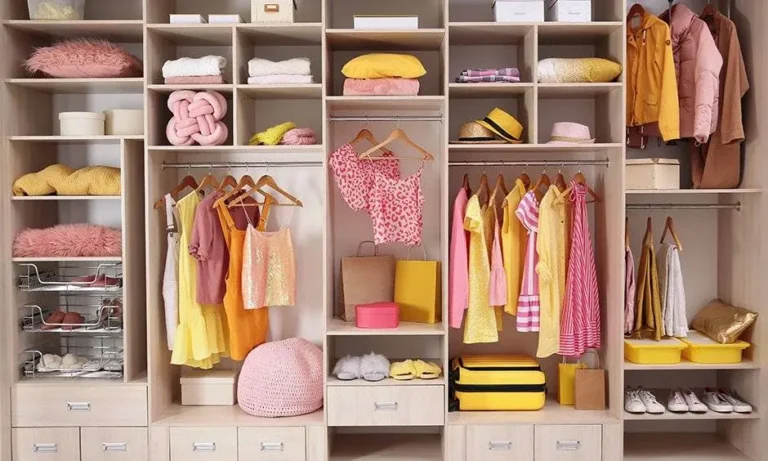
A well-designed home is not simply about having more furniture. It is about choosing pieces that make daily routines easier while contributing to the overall appearance of each room. Storage is especially important in modern apartments and villas, where homeowners want organised interiors without sacrificing valuable floor space. Thoughtful modular wardrobe design can help achieve this balance by creating storage that reflects individual requirements, room dimensions and personal style.
Wardrobes and furniture should be planned as part of the complete interior rather than treated as separate purchases. When finishes, proportions and functions are coordinated, even a compact bedroom can feel more spacious and refined.
1. Measure the Room Before Choosing a Wardrobe
The first step is understanding the available space. Measure the wall length, ceiling height, floor clearance and distance from doors, windows and other furniture. Note the position of switches, electrical points and any structural features that may affect installation.
A wardrobe should provide enough storage without making the room difficult to move around. Sliding doors may be useful where there is limited clearance for hinged shutters, while hinged doors can provide convenient access when the room allows them to open fully.
Floor-to-ceiling storage can make use of vertical space, although the upper sections should be planned for items that are not required every day. Accurate measurements help avoid gaps, awkward corners and unnecessary modifications during installation.
2. Organise the Interior Around What You Own
A wardrobe should reflect the user’s actual belongings. Someone with many formal outfits may need more hanging space, while another person may prefer shelves and drawers for folded clothing.
Before designing the internal layout, make a simple inventory. Consider:
- Long and short hanging garments.
- Folded clothing and everyday essentials.
- Shoes, handbags and accessories.
- Jewellery, watches and smaller personal items.
- Seasonal clothing, bedding and travel bags.
Dividing the wardrobe into practical zones makes it easier to maintain order. Pull-out trays, adjustable shelves and accessory organisers can improve access, provided they are selected according to genuine storage needs.
3. Select Finishes That Match the Bedroom
The exterior of a wardrobe has a strong influence on the room’s visual identity. Matte finishes can create a subtle contemporary appearance, while glossy surfaces may reflect light and add brightness. Wood textures introduce warmth, and contrasting panels can create a distinctive feature.
When comparing luxury furniture bangalore options, homeowners should consider how the wardrobe will coordinate with the bed, bedside tables, flooring, wall colours and lighting. A consistent palette can make the room feel carefully designed without requiring every piece to match exactly.
Request physical samples where possible. Colours and textures can appear different on a screen than they do in the actual room. Review samples in daylight and under the bedroom’s artificial lighting before final approval.
4. Pay Attention to Hardware and Construction
A wardrobe is used repeatedly, so the quality of its components matters. Hinges, drawer channels, handles, sliding systems and internal fittings influence how smoothly the unit operates.
Ask about the board material, thickness, edge finishing and hardware specifications. Moisture resistance may be important in certain locations, while the load capacity of shelves and hanging sections should suit the items they will hold.
Soft-close mechanisms can reduce noise and make everyday use more comfortable. However, they should be selected as part of a complete quality assessment rather than treated as the only sign of a premium product.
Check the warranty terms and understand what they cover. A clear explanation of material and hardware specifications makes comparisons between quotations more meaningful.
5. Use Furniture to Improve the Layout
Wardrobes are only one part of bedroom planning. Beds, side tables, dressing units, seating and study desks should work together without crowding the room.
A bed with integrated storage may help in a compact bedroom. A wall-mounted study desk can create a functional work area while preserving floor space. A dressing unit with drawers can keep personal items organised, and a built-in niche can provide convenient display space.
Living rooms also benefit from coordinated furniture planning. A custom TV unit can combine display shelves, concealed storage and equipment space. Sideboards and wall-mounted cabinets can provide additional organisation without overwhelming the room.
Measure all furniture before installation and consider how doors, drawers and shutters will open. Leave enough clearance for people to move comfortably.
6. Make Lighting Part of the Furniture Plan
Lighting should be considered before wardrobes and cabinets are installed. Internal wardrobe lights can improve visibility, while suitable bedroom lighting makes dressing and reading more convenient.
A combination of ambient, task and accent lighting usually provides greater flexibility than a single central fixture. Bedside lights support reading, dressing-area lighting improves visibility and subtle accent illumination can highlight selected architectural details.
For wardrobes, ensure that electrical connections and lighting components are planned safely and remain accessible for maintenance. The design should avoid exposed cables and unnecessary visual clutter.
7. Plan for Future Changes
Storage needs rarely remain the same forever. Children grow, work arrangements change and households acquire new belongings. A flexible design can help a room adapt without requiring a complete replacement.
Adjustable shelves, removable organisers and versatile storage compartments make it easier to change the internal arrangement. Neutral exterior finishes can also remain relevant even when bedding, wall colours or decorative accessories are updated.
Think about how the furniture may be used over the next several years. A wardrobe designed only for current requirements may become inconvenient if the household’s needs change quickly.
Custom Furniture or Ready-Made Pieces?
Ready-made furniture can be suitable when standard dimensions and designs fit the room. It may also allow faster selection and installation. Custom furniture becomes useful when the room has unusual dimensions, when storage needs are specific or when homeowners want a coordinated appearance across several spaces.
The right option depends on budget, timing, quality and personal preference. Compare the complete cost, including delivery, installation and any adjustments needed to fit the furniture into the room.
A professional designer can help assess whether a standard product is sufficient or whether a customised solution will make better use of the available space.
Conclusion
Good storage design combines accurate measurements, useful internal organisation, durable components and finishes that complement the home. Wardrobes and furniture should be selected according to how people live rather than simply following a showroom trend. Homeowners exploring luxury furniture bangalore can benefit from comparing custom and ready-made options with attention to quality, proportions and long-term functionality. WeDezine Studio provides customised wardrobe planning, furniture design, material selection and interior execution to help create organised, cohesive living spaces.
Also Read

