

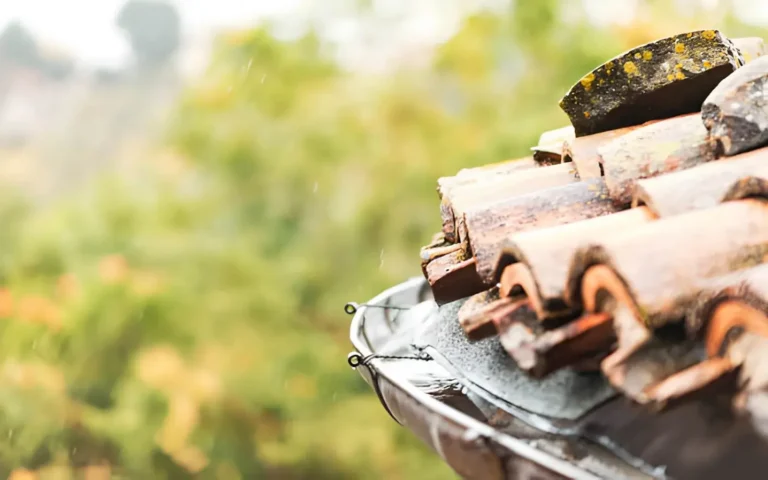
A roof does not need a major storm to deteriorate. Ordinary sunlight, seasonal temperature changes, wind and repeated moisture exposure gradually wear protective materials. Homeowners cannot stop aging, but they can prevent small issues from accelerating it. The most useful roof maintenance program focuses on inspection, drainage and timely attention to vulnerable details.
Inspect the Roof Without Walking on It
Start from the ground with binoculars or photographs taken from a safe position. Look for missing shingles, lifted edges, uneven roof sections or debris lodged around roof features. After strong winds, compare the roof with earlier photographs to spot changes.
Avoid climbing a steep, wet or aging roof. Foot traffic can damage coverings and creates fall hazards. Arrange a qualified inspection when conditions are difficult to see from the ground or when damage appears likely.
Keep Gutters and Downspouts Functional
Roof drainage works as a system. Gutters collect runoff, while downspouts carry it away from walls and foundations. Leaves, seeds and roof granules can obstruct that route. Overflow may wet fascia boards or direct water toward vulnerable building joints.
Check drainage after heavy rain where it can be observed safely. Clean accessible sections only with appropriate equipment and safe working methods. If water remains in gutters or repeatedly spills behind them, a contractor should assess slope, fastening and outlet capacity.
Pay Special Attention to Flashing
Flashing protects changes in roof shape and penetrations around chimneys, vents and skylights. Deteriorated sealant, displaced metal or installation defects can allow water intrusion even when most of the roof covering looks intact.
Do not rely on a quick application of generic caulk as a permanent fix. A roofer should diagnose why the joint is leaking and whether the surrounding underlayment or flashing assembly needs repair.
Control Nearby Vegetation and Debris
Overhanging branches can scrape coverings in wind and deposit leaves that trap moisture. Trim vegetation when needed using qualified tree professionals, especially near power lines or large limbs.
Moss and algae deserve an appropriate evaluation. Aggressive pressure washing can strip protective granules from some roofing materials. Follow the roof manufacturer’s recommendations and use contractors familiar with the specific covering.
Investigate Attic Moisture and Ventilation
Roof durability is also affected from below. Condensation, wet insulation and unintended air leakage may damage decking or framing. Check accessible attic areas for damp patches or persistent odors without disturbing electrical equipment or insulation unnecessarily.
The EPA describes why controlling moisture matters. In cold climates, DOE guidance on roof-edge assemblies also connects insulation and air sealing with reducing ice-dam conditions.
Fix Defects Early and Keep Documentation
Keep invoices, inspection photos, product details and warranty documents. After any repair, request an explanation of the cause and photograph the completed work if practical. Documentation helps future contractors recognize recurring trouble spots and supports informed replacement planning.
Conclusion
Roof longevity depends on more than the material purchased on installation day. Safe visual checks, reliable drainage, sound flashing, controlled moisture and prompt professional repairs help a roofing system perform as intended.
Also Read
- What Does ION Mean in a Text? Meaning, Uses, Examples, and Replies
- 193+ Funny Motherhood Quotes That Totally Get Mom Life For 2026 😂👶

