

Last updated on November 13th, 2026 at 08:06 am
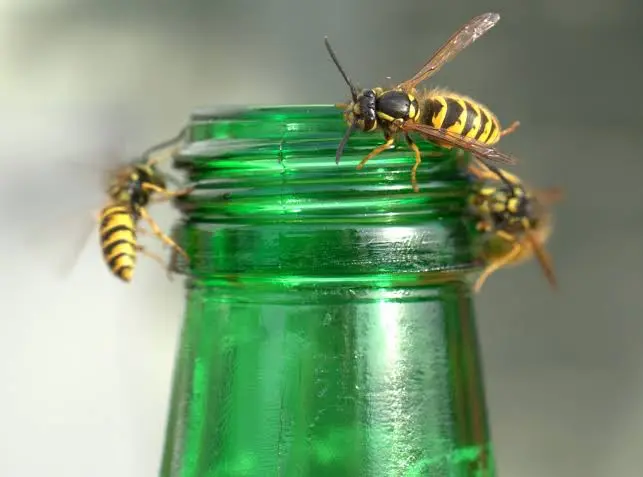
Late summer brings a dramatic shift in apiary dynamics. As wildflowers fade and natural nectar flows dry up, honeybees prepare for the winter cluster. At the exact same time, populations of predatory “meat wasps”—scavenging yellowjackets—reach their seasonal peak.
Unlike honeybees, yellowjackets are opportunistic omnivores. By late August, their colonies face food shortages. Driven to feed developing queens, scout wasps target honeybee hives for brood protein, larvae, and honey reserves.
A populous colony with thousands of defensive guard bees can readily repel curious wasps. A weak colony, however—such as a late split, a small nucleus hive, or a colony recovering from mites—faces an existential threat. Once meat wasps breach an entrance, they can plunder brood combs, kill adult workers, and destroy the colony in forty-eight hours. Protecting vulnerable hives requires swift, layered defense.
1. Why Meat Wasps Target Weak Colonies
Meat wasps target weak colonies because low guard bee numbers at the hive entrance allow scouts to enter undetected, plunder uncapped brood, and recruit foraging nestmates.
In late summer, yellowjackets shift from gathering carbohydrates to hunting protein. Honeybee brood is concentrated nutrition, while ripening honey creates an alluring scent trail outside the hive.
Strong colonies maintain dense guard lines at the entrance to cross-examine incoming foragers and tackle intruders. In contrast, weak honeybee colony management becomes critical when a small workforce must regulate brood temperatures and guard a wide bottom board simultaneously. When worker numbers are sparse, perimeter defenses collapse, giving meat wasps free rein to dismantle the hive from the inside out.
2. Install Robbing Screens Immediately
Robbing screens protect weak colonies by redirecting resident bees to an obscured upper exit while trapping scent-driven meat wasps against an impassable wire mesh barrier.
Standard wooden entrance reducers help, but aggressive wasps will hover, observe guard bee placement, and physically overpower solitary defenders.
Installing robbing screens for beehives changes the dynamic:
- The wire mesh front allows hive aromas to draft straight outward, drawing raiding wasps directly against the screen face.
- Because wasps navigate strictly by scent gradients, they relentlessly bounce against the blocked wire, unable to find an opening.
- Resident honeybees quickly learn to navigate up and out through an offset top corridor that wasps rarely discover.
Installing a robbing screen before major wasp pressure builds buys your colony time to grow without fighting off round-the-clock invaders.
3. Eliminate Boardman and Open Feeders
Never feed weak colonies using front-entrance Boardman feeders or open sugar stations during wasp season, as exposed feed triggers aggressive robbing behavior.
Feeding light colonies 2:1 sugar syrup helps them build essential winter stores. However, external entrance feeders leak sugary scent directly onto the landing board, alerting every scavenging yellowjacket in the area.
Adopt strict feeding hygiene inside the hive:
- Use internal frame feeders, inverted jar feeders inside an empty super, or rapid top feeders.
- Fill feeders at dusk when yellowjacket flight activity has ended for the day.
- Clean up sticky droplets immediately; a single drop of spilled syrup on an outer cover can ignite a destructive robbing frenzy.
4. Deploy Perimeter Protein and Pheromone Traps
Deploying yellowjacket traps along the apiary perimeter reduces scavenging pressure before scouts locate vulnerable hive entrances.
Commercial yellowjacket traps using chemical lures work well for certain species, but late-season meat wasps are heavily driven by protein. Setting up water-and-meat drowning traps around the yard provides an effective countermeasure.
Set up water-and-meat traps:
- Suspend a small piece of fresh liver, fish, or raw meat two inches above a bucket filled with soapy water.
- As gorged wasps take flight, their extra weight drops them downward into the water, breaking surface tension.
- Place these apiary yellowjacket traps thirty to fifty feet away from your hive stands.
Never place traps directly next to hive entrances, which inadvertently lures more predators straight to your bees.
5. Combine Colonies to Restore Defensive Biomass
When a colony is too depleted to defend even a reduced entrance, the most responsible intervention is combining it with a queenright hive to preserve worker numbers and brood.
Beekeepers often hesitate to sacrifice a struggling hive, hoping it will somehow survive winter. In autumn, however, nursing a two-frame colony in a ten-frame box invites wasp destruction.
Use the simple newspaper combine method:
- Locate and remove failing or drone-laying queens from the weak colony.
- Place a single sheet of newspaper slashed with small slits over the brood chamber of a strong hive.
- Set the weak colony’s box directly on top.
Within two days, the bees will chew through the paper, blending colony scents peacefully and creating a single unit capable of repelling wasp attacks.
6. Neutralize Surrounding Wasp Nests Safely
Eliminating subterranean yellowjacket nests within flight distance of your apiary stops predatory pressure at its source.
Meat wasps typically nest underground in old rodent burrows, rotting stumps, or beneath exterior decking. If you discover a ground nest near your hives, mark the hole during daylight and treat it after dark when foragers have returned underground.
However, when massive subterranean colonies infest properties, fence lines, or outbuildings near an apiary, DIY chemical spraying risks poisoning honeybees through insecticide drift. Property owners dealing with high wasp density often call a licensed pest control company in Olathe to safely locate and eradicate underground yellowjacket nests using targeted methods that neutralize predatory colonies without harming nearby hives.
Protecting weak apiary colonies from predatory meat wasps requires proactive intervention. Once yellowjackets establish a flight line into a defenseless hive, halting the destruction becomes an uphill battle.
By installing robbing screens before attacks peak, feeding internally after dark, setting remote perimeter traps, and consolidating colonies that lack defensive numbers, you shift the odds back in your honeybees’ favor. Vigilant management during the late-season nectar dearth ensures your vulnerable hives survive autumn pressure and enter winter as resilient, healthy colonies.
Also Read
- What Does Pub Mean in Text? Meaning, Uses, Examples, and Replies (For 2026 Updated)
- Why Branded Pens Remain One of the Most Effective Promotional Products
- 224+ Marriage Puns That Prove Love Is a Life Sentence in the Best Way

