
Why Comprehensive Residential HVAC Maintenance Is Essential for Homeowners
Your home’s heating and water systems are the silent workhorses of your daily life, yet they are often overlooked until a problem forces them to our attention. From the comfort of a warm shower to the consistent climate of your living room, these systems account for a significant portion of your home’s energy use. In fact, water heating alone typically represents nearly one-fifth of your natural gas bill.
Understanding the fundamentals of Enbridge hot water tank repair and overall system maintenance is more than just a way to save money—it is a critical investment in your home’s safety and longevity. Whether you are dealing with an aging unit or simply want to maximize the efficiency of your equipment, proactive care can help you avoid the stress of unexpected breakdowns and costly emergency repairs.
In this guide, we will explore the essential steps to keep your gas appliances running smoothly, how to identify common warning signs before they become major issues, and why working with qualified professionals is the best way to protect your household.
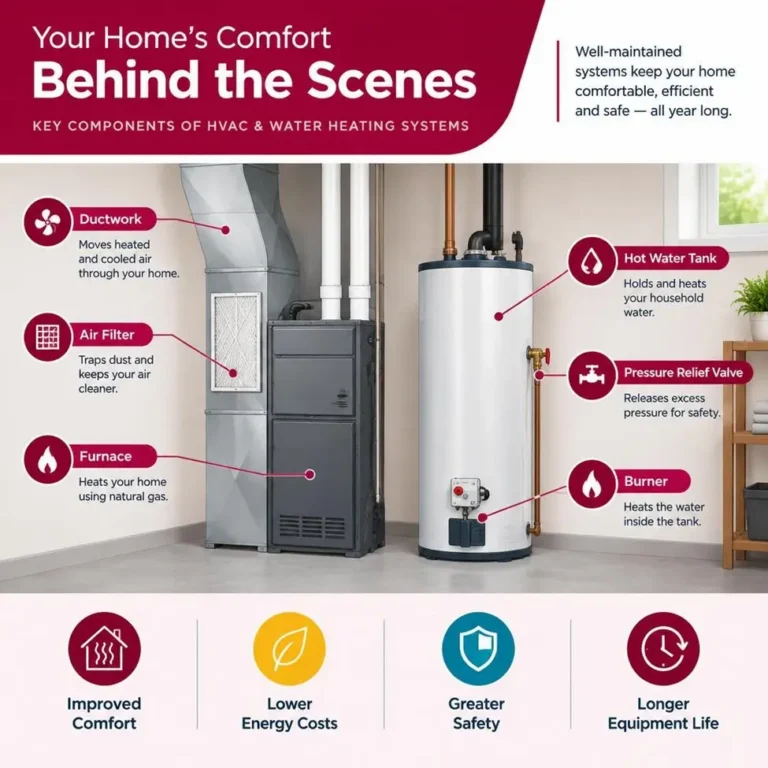
When we talk about maintaining a home, we often focus on aesthetic upgrades. However, the mechanical systems hidden in your basement or utility room are what truly define your daily comfort. Regular maintenance ensures that your heating, ventilation, and air conditioning (HVAC) systems operate at peak performance, which directly impacts your indoor air quality and monthly utility costs.
By scheduling routine check-ups for your furnace and water heater, you ensure that these systems are not working harder than they need to. Over time, internal components accumulate dust, debris, and mineral deposits that force motors and burners to consume more energy to achieve the same result. Engaging in professional residential and commercial HVAC services allows you to catch these inefficiencies early, extending the lifespan of your equipment and providing peace of mind that your home remains a safe, reliable sanctuary.
Lowering Operating Costs and Natural Gas Consumption
Because water heating accounts for approximately 19 percent of the average natural gas bill, even minor adjustments can yield significant savings. When a water heater is poorly maintained, the burner may struggle to heat the water efficiently due to sediment buildup at the bottom of the tank. This creates a thermal barrier, forcing the gas burner to run longer and consume more fuel to reach the desired temperature.
Professional maintenance includes tuning the burner and checking for thermal loss in the venting system. Furthermore, many utility providers offer rebates for upgrading to high-efficiency models. By staying informed about these programs and keeping your current system in top shape, you ensure you aren’t paying more than necessary for your hot water.
Preventing Premature System Breakdown and Major Failures
The most common cause of premature water heater failure is the accumulation of sediment. Over time, minerals in your water supply settle at the bottom of the tank. If left unaddressed, this sediment can harden, causing the tank to overheat, create strange knocking noises, and eventually compromise the structural integrity of the metal.
Beyond sediment, electrical components like igniters and thermocouples can wear out, leading to pilot light failures. Regular maintenance schedules allow technicians to replace these inexpensive parts before they cause a complete system shutdown. Avoiding these emergency scenarios is the best way to keep your household running without the sudden, costly disruption of a total unit replacement.
Troubleshooting Water Heaters and Gas Equipment Problems
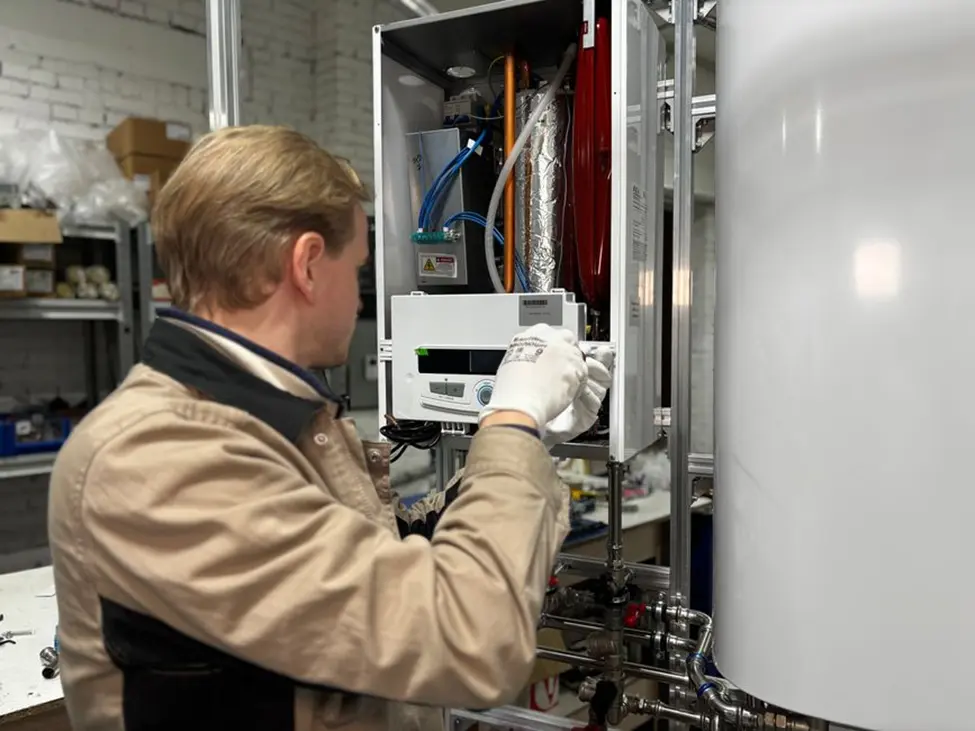
Troubleshooting is a proactive process. When you know what to look for, you can often resolve minor issues before they escalate. Diagnostic indicators—such as inconsistent water temperatures or a pilot light that refuses to stay lit—are your system’s way of communicating that it needs attention.
Integrating Water Heaters into Residential HVAC Maintenance
Your water heater should be a standard part of your annual HVAC maintenance plan. One of the most important aspects of this is temperature calibration. We recommend testing your water temperature using a simple cooking thermometer at the tap. The ideal setting is 54 degrees Celsius. This temperature is high enough to prevent the growth of harmful bacteria, such as Legionella, which can thrive in water tanks kept below 50 degrees Celsius, yet it remains low enough to reduce the risk of accidental scalding.
During a professional inspection, the technician will also examine the pressure relief valve and the flue. A faulty pressure relief valve is a major safety concern, as it is designed to release excess pressure to prevent the tank from rupturing. Ensuring this valve is functional is a non-negotiable step in maintaining a safe home.
Recognizing Common Warning Signs of Water Heating Failure
If you notice any of the following, it is time to call a professional:
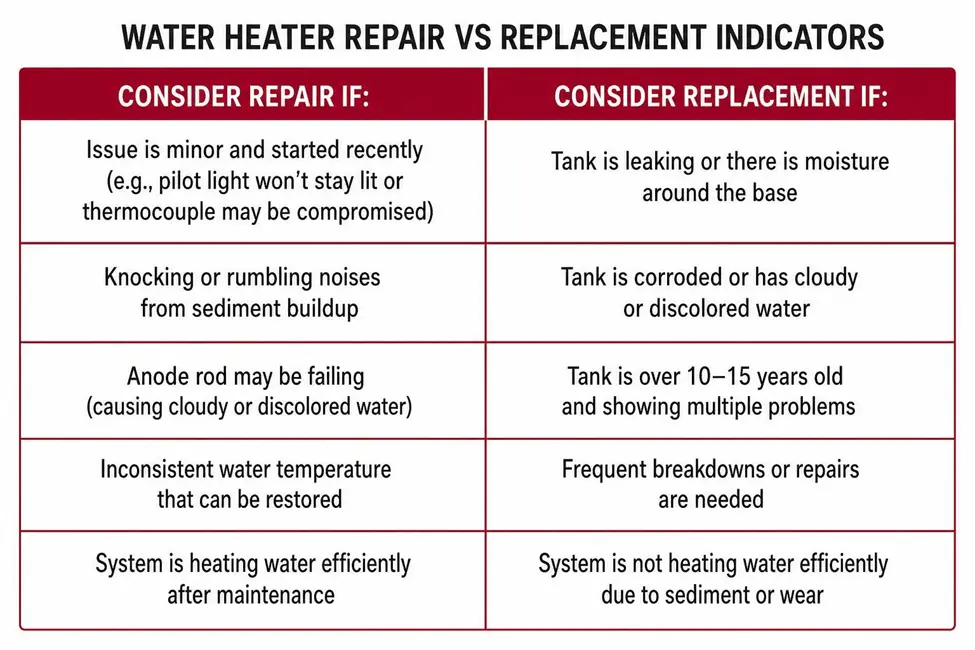
- Cloudy or discolored water: This often indicates internal corrosion or a failing anode rod.
- Knocking or rumbling noises: This is a classic sign of heavy sediment buildup at the base of the tank.
- Pilot light failure: If the pilot light won’t stay lit, the thermocouple or gas supply may be compromised.
- Moisture or leaks: Any water pooling around the base of the tank is a red flag that the tank itself may be failing.
Safety Protocols, Warning Tags, and Professional Licensing
Natural gas is a safe and efficient fuel source, but it requires respect and professional handling. If you ever detect the distinct, sulfur-like “rotten egg” smell of gas, you must treat it as an emergency.
Gas Safety Procedures and Warning Tag Remediation
If a utility company inspector discovers a safety violation, they may issue a “Warning Tag.” A Tag A indicates an immediate hazard, resulting in the gas supply to the appliance being shut off until the issue is resolved. A Tag B is less urgent but still requires action within a specified timeframe. Never attempt to bypass these tags or perform DIY repairs on gas piping. Clearing a warning tag requires a certified professional to inspect the repair, ensure it meets local safety codes, and formally submit documentation to the utility provider to restore service.
Professional Qualifications for Gas Appliance and HVAC Service
When hiring help, verify that the technician holds the appropriate credentials. In many regions, this means a G2 or G1 gas technician certification. These professionals have the legal authority to install, inspect, and repair natural gas appliances. Always request references and ensure the company is registered with industry bodies like the Heating, Refrigeration, and Air Conditioning Institute (HRAI). A reputable contractor will always provide a written quote and stand behind their work.
Extending Equipment Lifespan: Maintenance Best Practices
Longevity is the reward for consistent upkeep. While a standard tank water heater typically lasts between 8 and 12 years, proper maintenance can help you hit the upper end of that range. Tankless systems, which have fewer moving parts, can often last more than 20 years if they are properly descaled to prevent mineral buildup.
Tank vs. Tankless Water Heating Longevity and Upkeep
If you have a tankless unit, the primary maintenance task is periodic descaling. Because tankless units heat water on demand, they are highly susceptible to mineral scaling in the heat exchanger. Many modern units feature self-cleaning dip tubes to minimize this, but an annual flush with a vinegar solution is still recommended. For traditional tanks, replacing the sacrificial anode rod every few years can significantly slow the rate of internal tank corrosion.
Key Tasks in Seasonal Residential HVAC Maintenance
Seasonal maintenance is about preparing your home for the extremes of summer and winter. Key tasks include:
- Air Intake Cleaning: Ensure that dust and lint are not blocking the air intakes on your gas appliances.
- Pipe Insulation: Insulate your hot water pipes to reduce heat loss as water travels to your taps.
- Filter Changes: Regularly changing furnace filters improves airflow, which lowers the strain on your entire HVAC system.
- Annual Flushing: Draining a few litres of water from the bottom of your tank annually helps remove sediment before it hardens.
Frequently Asked Questions About HVAC and Water Heater Care
How often should residential HVAC and water heating equipment be serviced?
We recommend an annual inspection for all gas-fired appliances. This ensures that your system is ready for the heavy demand of winter and that any minor issues are addressed before they become costly repairs.
What should homeowners do immediately if they suspect a gas leak?
If you smell gas, do not touch any electrical switches, do not use your phone inside the house, and do not attempt to find the leak yourself. Evacuate everyone from the home immediately, move to a safe distance, and call your gas utility provider from outside the property.
When is it better to replace rather than repair an aging water heater?
A good rule of thumb is the 50 percent rule: if the cost of the repair exceeds 50 percent of the cost of a new unit, or if the unit is nearing the end of its 8-to-12-year lifespan, replacement is usually the more economical and efficient choice.
Conclusion
Your home’s mechanical systems are an investment in your family’s comfort and safety. By adopting a proactive approach to maintenance—such as annual inspections, monitoring for warning signs, and relying on qualified professionals for repairs—you can enjoy reliable hot water and efficient heating for years to come. The goal of maintenance is not just to fix what is broken, but to ensure that your home continues to operate safely and efficiently, saving you money and providing the comfort you deserve.
Also Read-Top Construction Estimating Services in the USA

