

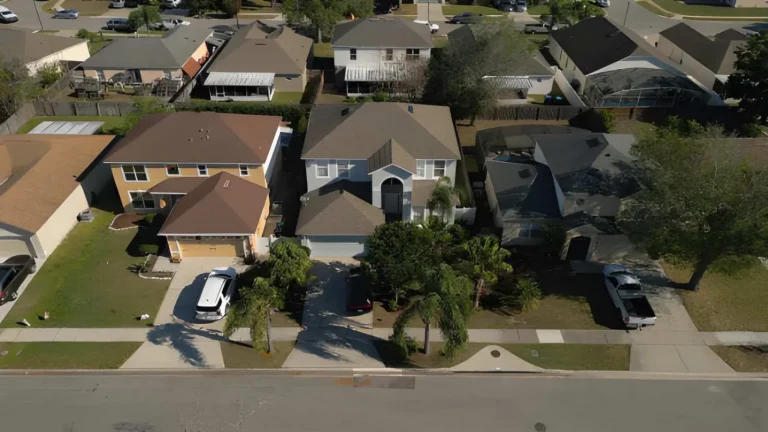
If a house on your street has recently filled with a handful of adults who split the chores, keep a curfew and head out to meetings, you may be living next to a recovery residence. In Florida, certified homes like these are now covered by a state law that changes how cities and counties handle requests to open them. Whether you live next door or plan to run one, here is what changed.
What Counts as a Recovery Residence?
Florida law defines a recovery residence as a residential dwelling unit, the community housing component of a licensed day or night treatment facility, or other group housing offered as a peer-supported, alcohol-free and drug-free living environment, according to a Florida House of Representatives staff analysis of the 2025 legislation. At the federal level, the Substance Abuse and Mental Health Services Administration (SAMHSA) describes recovery houses in its 2023 Best Practices for Recovery Housing as “safe, healthy, family-like substance free living environments that support individuals in recovery from addiction.”
Residents arrive from different starting points, including people stepping down from luxury substance abuse treatment in Malibu or another residential program who want a structured place to live while they rebuild daily routines. What they share is an agreement to live by house rules and stay sober.
What Florida’s New Law Actually Requires
The House version, HB 1163, was set aside after its Senate companion, SB 954, passed, and SB 954 is the version that became law. According to the House staff analysis, the final House vote was 97 to 10. The law was approved by the Governor on June 25, 2025, became Chapter 2025-182, Laws of Florida, and took effect July 1, 2025.
The enrolled bill text requires every county and municipality to adopt an ordinance by January 1, 2026, setting up a process for anyone who wants to establish a certified recovery residence to request a reasonable accommodation from land use rules that would otherwise block it. Those ordinances must be consistent with the federal Fair Housing Amendments Act of 1988 and Title II of the Americans with Disabilities Act, according to the House analysis.
The 60-Day Clock
Under the enrolled text, the local government must date-stamp each application, notify the applicant in writing within the first 30 days if more information is needed, and give the applicant at least 30 days to respond. It then has to issue a final written determination within 60 days after receiving a completed application. If it misses that deadline, the request is deemed approved unless both sides agree in writing to a reasonable extension. The House analysis adds that a denial must spell out “the objective, evidence-based reasons” behind it and explain how to ask for reconsideration.
Fewer Public Hearings
The law also says the ordinance may not require public hearings beyond the minimum required by law to grant the accommodation. A Florida League of Cities policy memo on SB 954 walks local governments through the same timeline, including the rule that any extension must be agreed to in writing.
Why Federal Fair Housing Law Sits Behind All of This
Florida did not invent the idea of reasonable accommodation. A joint statement from the U.S. Department of Housing and Urban Development and the Department of Justice on group homes and local land use explains that people in recovery from alcohol or drug addiction can qualify as persons with disabilities under the Fair Housing Act, and residents do not have to be in a treatment program to be protected. The statement describes a reasonable accommodation as “a change, exception, or adjustment to a rule, policy, practice, or service” that may be needed for a person with a disability to have an equal opportunity to use and enjoy a home.
That protection has limits. According to the same statement, the Act’s definition of disability excludes addiction caused by current illegal use of a controlled substance, although one resident’s drug use does not strip protection from the other people in the home. The Act also does not protect someone whose tenancy would pose a direct threat to others’ health or safety, but that call has to rest on an individualized assessment using reliable, objective evidence.
What Neighbors Can and Cannot Do
If you live next door, the law gives you less of a veto than you might expect, but you are far from powerless. Here is a practical rundown based on the federal guidance and the Florida statute.
- Raise concrete land use issues: The HUD and DOJ statement says not all opposition is discriminatory, and concerns such as limited parking can be considered if a similar home that is not a group home would face the same objection.
- Report code problems like you would anywhere else: Group home operators remain subject to state and local health and safety regulations under the joint statement, so unsafe conditions can go through the usual code enforcement channels.
- Read your HOA or condo documents: The Florida law states that the new section does not supersede current or future condominium, cooperative or homeowners’ association declarations.
- Ask whether the home is certified: Certification in Florida is voluntary, but the House analysis explains that a residence must be certified to accept referrals from licensed treatment providers or other recovery residences.
- Leave stereotypes out of it: Localities cannot block a home or deny an accommodation because of neighbors’ “stereotypical fears or prejudices about persons with disabilities,” according to the joint statement, so complaints about who lives there, rather than how the property is used, are unlikely to go far.
The common thread is simple. Complaints that focus on specific, measurable behavior tend to get traction, while objections to the residents themselves run into federal law.
What Owners and Operators Should Have Ready
For anyone planning to open a certified residence, the statute lists the minimum contents of an application: the name and contact details of the applicant or an authorized representative, the property address and parcel identification number, and a description of the accommodation requested along with the specific regulation or policy from which relief is sought. The House analysis notes that cities and counties may add their own review requirements if they stay consistent with federal law, so the local ordinance is the first thing to read.
Keeping certification current matters too, because the ordinance may allow a granted accommodation to be revoked for cause, which the House analysis says can include violating approval conditions or failing to maintain certification or licensure.
Florida’s certification system runs through private credentialing groups. The Florida Association of Recovery Residences certifies residences and the Florida Certification Board certifies administrators, with both approved by the Department of Children and Families. Citing DCF figures, the House analysis reports more than 750 certified recovery residences statewide, 244 of them classified as Level IV, which the analysis describes as the most intense level of support.
The Bottom Line for the Block
Florida’s law does not hand recovery residences a blank check, and it does not give neighbors a veto. What it does is put both sides on a clear timeline with written rules. This article is general information, not legal advice, so anyone facing a specific application or dispute should speak with a Florida land use or fair housing attorney.
Frequently Asked Questions (FAQs)
1. Can a Florida city still deny a sober living home under the new law?
Yes. A local government can deny a reasonable accommodation request, but the House analysis says the denial must be in writing, state objective, evidence-based reasons and explain the reconsideration process. The same analysis notes that local governments are not required to grant an accommodation that would impose an undue burden or fundamentally alter the zoning scheme.
2. What happens if the city never answers an application?
Under the enrolled bill, if no final written determination is issued within 60 days of receiving a completed application, the request is deemed approved, unless the applicant and the local government agree in writing to a reasonable extension.
3. Does the new law override my HOA or condo rules?
No. The statute says the new provisions do not supersede current or future condominium, cooperative or homeowners’ association declarations.
Also Read
- What Does Pub Mean in Text? Meaning, Uses, Examples, and Replies (For 2026 Updated)
- What Does VA Mean in Text? Meanings, Examples, and How to Respond
- 224+ Marriage Puns That Prove Love Is a Life Sentence in the Best Way

