

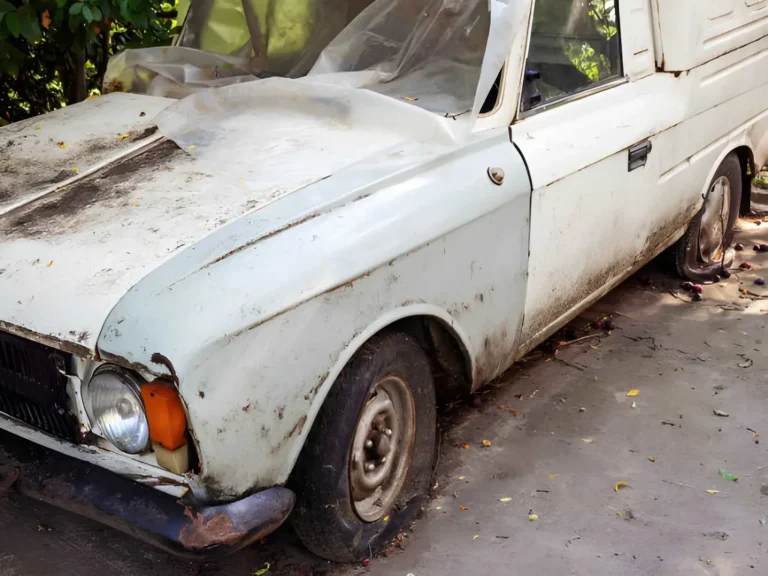
There is a unique pride that comes with driving a vehicle with six figures on the odometer. While driving a brand-new car off the dealership lot offers immediate novelty, keeping an older car running smoothly for years provides unmatched financial savings and personal satisfaction. Vehicles built over the last couple of decades are engineered to last well beyond 200,000 miles, but reaching those milestones in comfort and safety requires more than just good fortune.
Extending your car’s lifespan is not about luck; it requires discipline, consistency, and a willingness to perform preventative care. By following a structured approach to mechanical maintenance, aesthetic care, and driving habits, you can preserve your vehicle’s reliability and keep it performing like the day you brought it home.
1. Stay Disciplined with Fluid and Filter Services
The engine and transmission are the heart and soul of your vehicle. Over time, heat, friction, and dirt degrade vital fluids, compromising their ability to lubricate and cool moving components.
- Engine Oil: Regular oil changes remain the single most effective maintenance task to prevent catastrophic engine failure. Modern synthetic oils offer superior protection against thermal breakdown, but you should still adhere strictly to recommended service intervals.
- Coolant and Transmission Fluids: Coolant prevents thermal expansion and overheating, while transmission fluid ensures smooth, precise gear engagement. Flushing these systems according to manufacturer guidelines protects internal seals and helps prevent costly transmission slippage.
- Filters: Never overlook engine and cabin air filters. A clean engine air filter ensures optimal combustion efficiency, maximizing fuel economy and protecting internal sensors.
2. Pay Attention to Dashboard Alerts and Unusual Sounds
Modern vehicles rely on sophisticated sensor networks designed to detect minor operational irregularities before they escalate into major mechanical failures. Ignoring dashboard indicator lights, such as the check engine light, can transform simple sensor adjustments into expensive repairs.
Equally important is staying attuned to how your vehicle sounds and feels during daily operation:
- Unusual Smells: A sweet odor inside or outside the cabin often signals a coolant leak, while a burning oil smell points toward valve cover gasket leaks.
- Audible Cues: High-pitched squealing when applying the brakes indicates worn friction pads, while a rhythmic clicking during tight turns often signals a failing CV axle. Catching these early warning signs preserves safety and protects secondary components from collateral damage.
3. Drive It Regularly and Avoid Prolonged Storage
One of the most common mistakes vehicle owners make when trying to preserve an older automobile is letting it sit idle in a driveway or garage for extended periods. Vehicles are fundamentally designed to move regularly.
- Seal Preservation: Routine driving circulates essential lubricants throughout the engine and drivetrain, keeping rubber gaskets and seals supple so they do not dry out and leak.
- Battery and Tire Care: Frequent short-to-medium trips maintain battery charge levels and prevent flat-spotting on tires. Driving for at least 20 minutes once a week allows the exhaust system to reach full operating temperature, burning off accumulated moisture that could otherwise cause internal rust.
4. Protect the Exterior Body and Auto Glass
Keeping a car running like new involves protecting its structural bodywork and driver visibility, not just its internal engine components. Washing your car regularly removes corrosive road salt, dirt, and environmental pollutants that cause body rust and clear coat failure.
Auto glass is equally critical to vehicle safety and structural rigidity. A minor rock chip might seem insignificant at first, but rapid temperature shifts can create thermal stress, causing small chips to spread into large cracks across your line of sight.
- Maintaining Structural Integrity: A damage-free windshield supports the structural integrity of the roof during a rollover and ensures proper airbag deployment.
- Addressing Damage Early: Promptly repairing glass chips prevents water from leaking into the cabin, which could otherwise damage electrical components and upholstery. For drivers operating in regions where gravel and road debris are common, securing a timely windshield replacement in Tooele ensures the cabin stays structurally sound, quiet, and properly sealed against the elements.
5. Refresh the Interior for Driving Comfort
Since you spend your driving time inside the cabin, refreshing the interior goes a long way toward making an older vehicle feel modern and enjoyable.
- Deep Detailing: Dirt and oils naturally accumulate on upholstery and touchpoints over time. A comprehensive interior detail—vacuuming, conditioning leather surfaces, and cleaning air vents—restores freshness and eliminates cabin odors.
- Targeted Upgrades: Replacing worn floor mats, adding ergonomic seat covers, or installing a modern touchscreen infotainment head unit with Bluetooth connectivity elevates your daily driving experience without straining your budget.
Final Thoughts
Keeping an older vehicle running like new does not require endless mechanical overhaul. By committing to routine maintenance, listening to early warning signs, driving regularly, and addressing exterior glass and body care promptly, you can enjoy safe, reliable, and comfortable transportation for years to come. Treat your vehicle with care, and it will reward you with long-lasting dependability on every journey.
Also Read
- What Does Pub Mean in Text? Meaning, Uses, Examples, and Replies (For 2026 Updated)
- Why Branded Pens Remain One of the Most Effective Promotional Products
- 224+ Marriage Puns That Prove Love Is a Life Sentence in the Best Way

